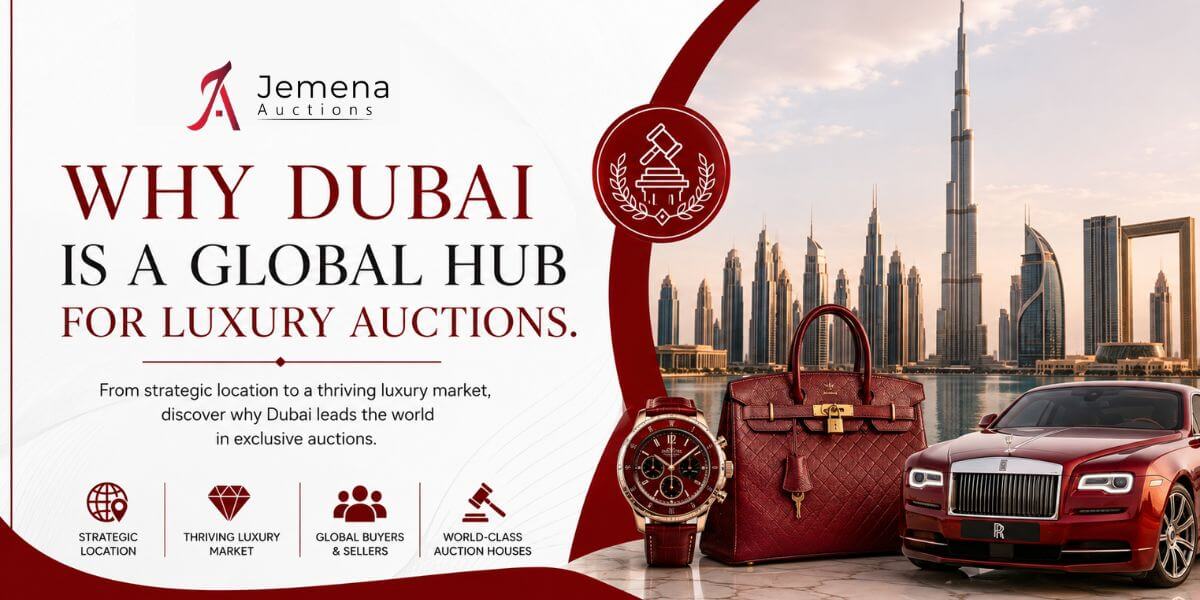
Ask a serious collector where to find a rare watch, an ex-showroom supercar, or a single-digit number plate, and Dubai comes up fast. That’s not an accident of geography. Luxury auctions in Dubai today draw bidders from London, Geneva, Hong Kong, and everywhere in between, and the reasons go much deeper than the skyline.
A City Built Around Turnover
Dubai’s population moves. Expats relocate for new jobs, businesses expand or wind down, and residents upgrade cars, watches, and homes far more often than in most cities. That constant churn means genuinely good assets keep re-entering circulation instead of sitting with one owner for decades. A supercar with two years on the road, a watch bought new and barely worn, a number plate an owner no longer needs, all of it eventually finds its way to auction rather than a dusty listing on a classifieds site. That turnover is the real engine behind the Dubai luxury market, and it’s exactly why the catalogue on any serious platform refreshes constantly instead of recycling the same handful of items.
No Import Friction, No Waiting
Dubai sits at the crossroads of three continents, and its ports and airports move freight faster than almost anywhere else on earth. That matters more for auctions than people realize. A buyer in Europe bidding on a car in another region often deals with shipping delays, import restrictions, or paperwork that drags on for weeks. Dubai skips most of that friction. Export documentation is straightforward, the logistics infrastructure already exists at scale, and buyers from outside the UAE regularly win items they couldn’t easily source at home. That ease of movement is a big part of why premium auctions UAE platforms attract so much international bidding instead of staying local.
Wealth Concentration Meets Genuine Demand
Dubai has one of the highest concentrations of high-net-worth residents anywhere in the world, and that population wants access to genuinely rare things: limited watch editions, plates with single or double digits, cars that never see a public showroom floor. Where that kind of demand exists, serious auction activity follows. But it isn’t only local money driving the Dubai luxury market. International collectors watch Dubai listings specifically because the city pulls in inventory that simply doesn’t surface elsewhere: cars imported from markets with different specs, watches from private collections liquidated quietly, plates released directly through government auctions. That mix of local wealth and global sourcing is hard to replicate anywhere else.
A Culture That Actually Values Rarity
Status symbols carry real weight in Dubai, and that shows up directly in what sells at auction. A single-digit number plate isn’t just a piece of metal here; it’s a recognized marker of standing, and bidding on one reflects that. The same goes for limited watch references or a car spec that never made it to other markets. This cultural appetite for rarity is part of what separates the luxury auctions Dubai runs from auctions in cities where a “luxury sale” is really just a slightly nicer version of a regular one. Bidders here aren’t just looking for a good deal, they’re looking for the specific thing, and platforms that understand that difference structure their listings around it.
Regulation That Protects the Process
None of this works without trust, and Dubai has built a regulatory infrastructure around high-value transactions that most cities are still catching up to. Vehicle transfers run through the RTA with clear ownership records. Jewellery and precious metals face established authentication standards. Number plate transfers follow a defined government process rather than an informal handshake. That structure is exactly why premium auctions UAE buyers rely on tend to build their own verification on top of it rather than around it, confirming ownership, checking condition, and closing gaps the regulatory baseline doesn’t cover. Buyers bidding from outside the country lean on this even more, since it’s the reason they can trust a listing without seeing the item in person first.
What Actually Moves at Auction Here
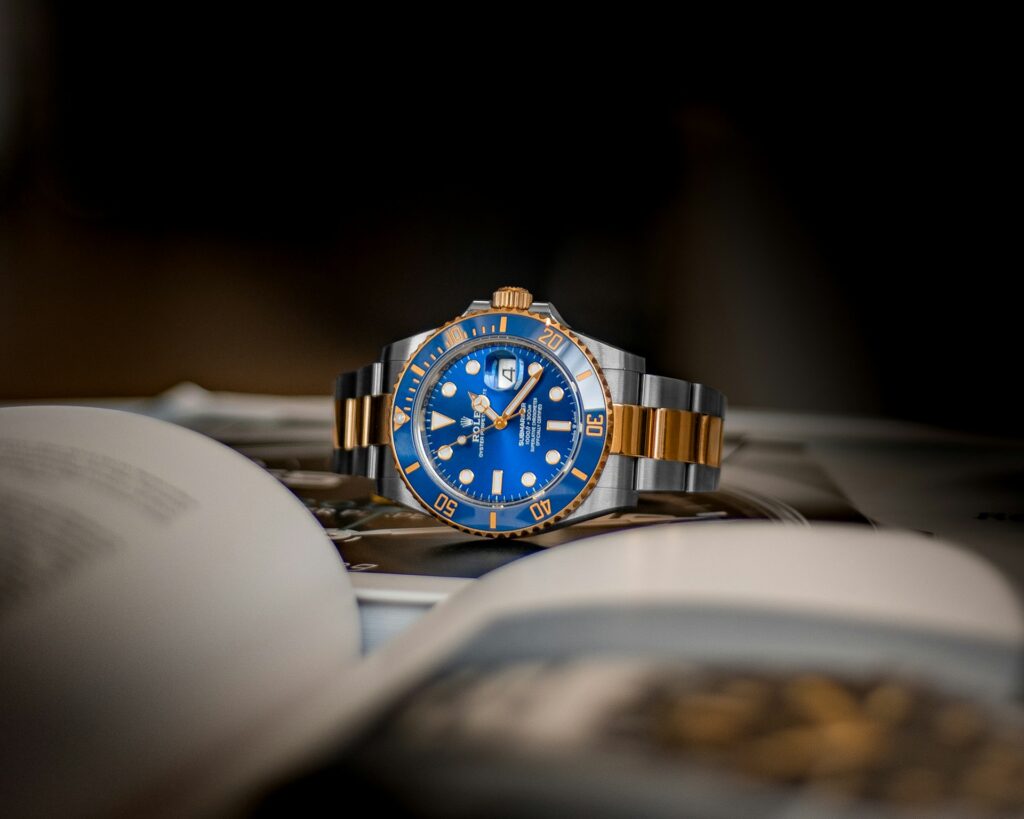
Walk through an active catalogue, and a pattern shows up quickly. Cars dominate: supercars, low-mileage premium sedans, and SUVs from private sellers and dealerships clearing stock. Number plates draw serious money on their own, with single and double-digit combinations regularly pulling six and seven-figure bids. Watches and jewellery round things out, often sourced from private collections or estate liquidations rather than retail overstock. Consumer categories, such as furniture, electronics, and designer goods, have grown alongside all of this, too. Not every buyer wants a supercar, and the same verification standard that applies to a six-figure car applies just as strictly to a designer bag or a home entertainment system.
Where This Is Heading
The Dubai luxury market isn’t slowing down. More categories keep getting added, more international buyers keep registering, and the platforms doing this well are the ones investing in verification rather than volume. A city built on turnover, low friction, and genuine demand for rare things doesn’t run out of inventory. It just keeps finding new ways to move it. For buyers, that means one thing above all else: the smartest move is checking the catalogue often, not occasionally. The item you’ve been chasing might already be live.








Leave Your Comment: